

1825 – 2025
Celebration of 200 Years of Brethren History
From its beginnings, the Brethren movement has been shaped not by institutions, but by shared biblical convictions expressed in worship, teaching, and service across the world.
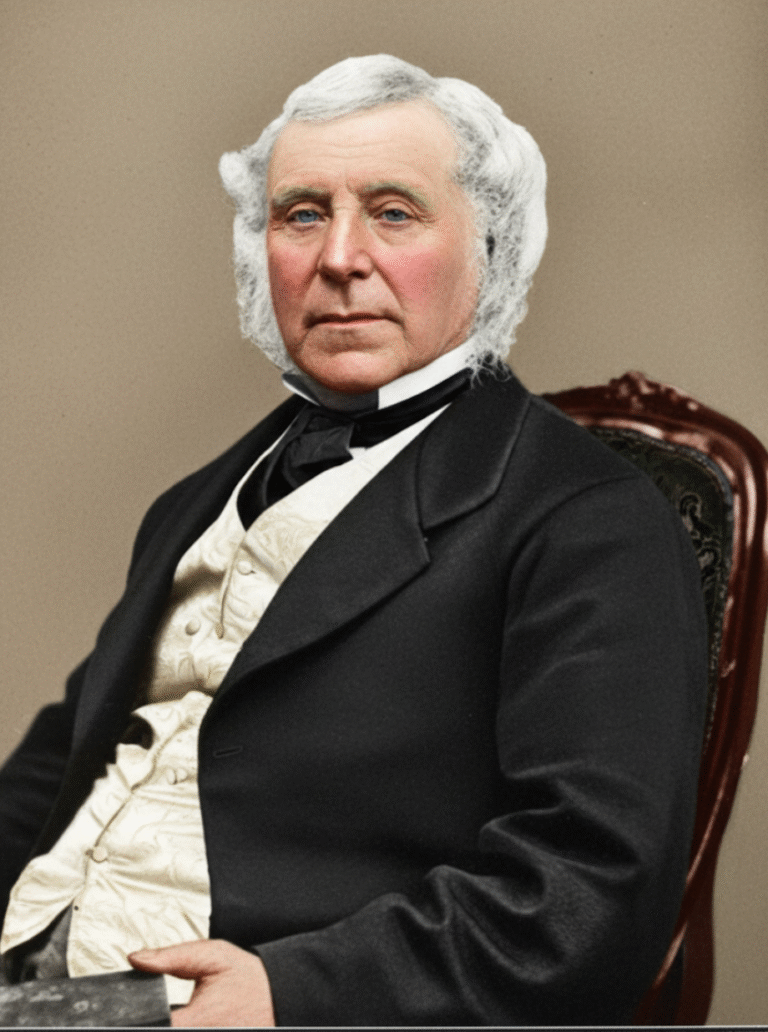
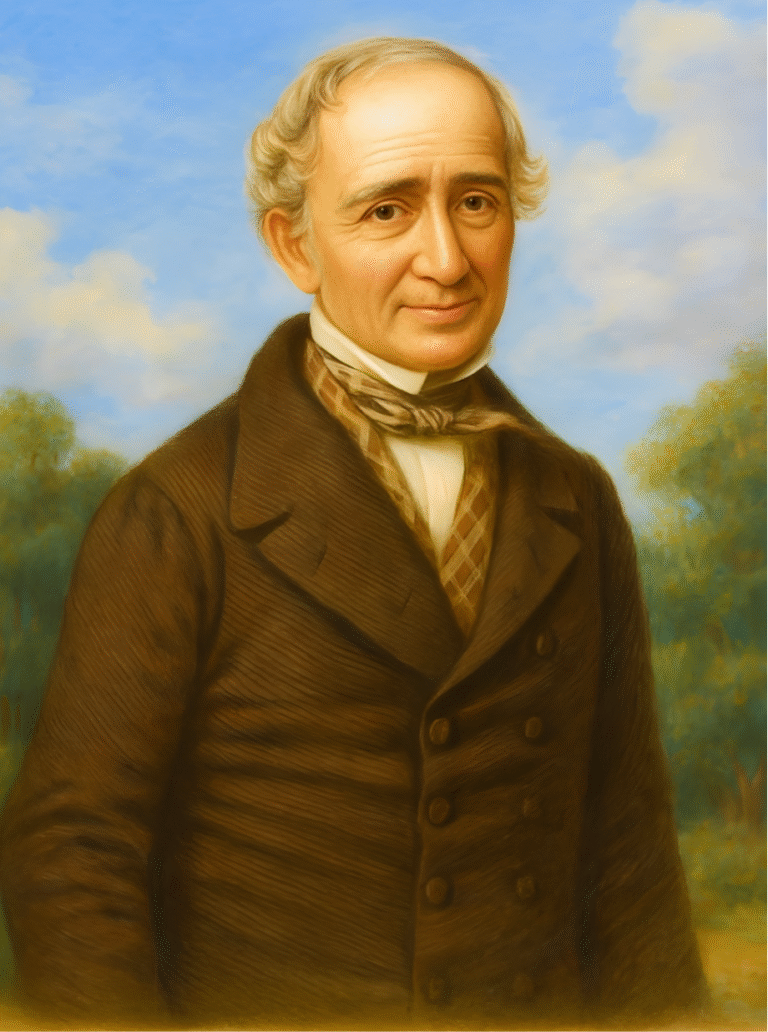
Meet the Early Leaders-
Origins & Beginnings
1825–1830s
-
Growth & Global Witness
19th–20th Century
-
Faith & Continuity
1825–2025
200 Years of Brethren History
Welcome to 200 Years of Brethren History
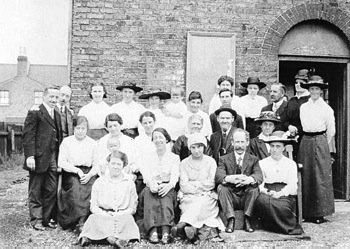
Why the Brethren Movement Emerged
The Brethren movement arose during a period of spiritual questioning and renewal in the early nineteenth century. Many believers longed for a return to the simplicity of the New Testament church—free from denominational divisions and human traditions.
Their desire was not to form a new denomination, but to gather solely on the ground of the one Body of Christ, under the authority of Scripture.
Assemblies, Ministry, and Mission
Brethren assemblies developed as locally governed gatherings, emphasizing shared responsibility in teaching, worship, and care. Ministry was exercised by gifted brothers rather than appointed clergy, while missionary service played a vital role in spreading the gospel and establishing assemblies worldwide.
Bible teaching, gospel preaching, and Christian literature became key expressions of the movement’s witness.
Unity, Diversity, and Ongoing Testimony
Over time, differences in understanding and practice led to diversity within the Brethren movement. Despite challenges and divisions, many assemblies continue to hold shared core convictions—faith in Christ, love for Scripture, and commitment to gospel testimony.
Today, Brethren believers gather across cultures and nations, bearing witness to God’s faithfulness through 200 years of history.
- 200
- Years of History
- 155+
- Countries Represented
- 40,000+
- Local Assemblies
- 4,000,000+
- Lives Influenced

Key emphases over 200 years (1825–2025)
What Has Marked the Brethren Movement
-
Bible Teaching
A strong emphasis on careful study, exposition, and teaching of Scripture in assemblies, homes, and public ministry.
-
Local Assembly Life
Autonomous local assemblies marked by shared responsibility, fellowship, prayer, and mutual care.
-
The Lord’s Supper
Weekly remembrance of the Lord Jesus Christ at the center of gathered worship, following New Testament patterns.
-
Christian Literature
A rich history of Bible commentaries, tracts, magazines, and translations used to teach and encourage believers worldwide.
-
Gospel Outreach
Consistent focus on evangelism, missionary service, and the proclamation of the gospel locally and globally.
-
Global Mission
Missionary work that led to assemblies being established across continents, cultures, and languages.